





Monsoon health tips
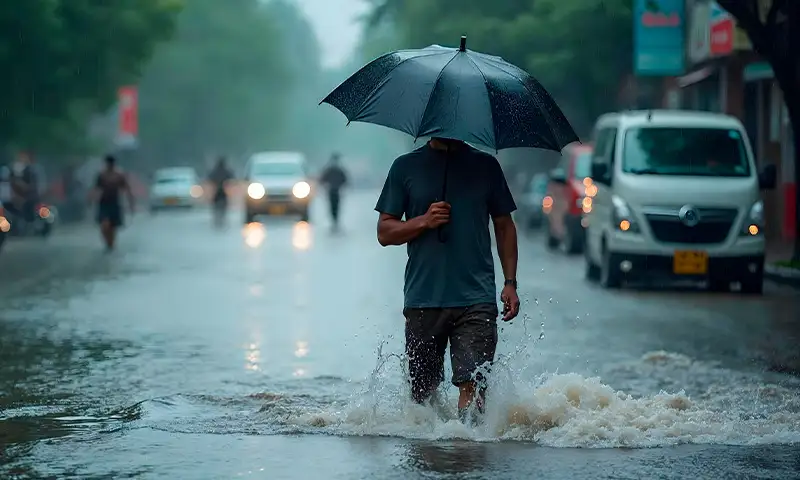
Monsoon brings relief from the harsh summer heat, and the world turns lush and green. But with the rains come a slew of health and hygiene concerns that require special attention. Waterlogged streets, humidity, and water stagnation give bacteria, viruses, and mosquitoes a great ambiance to flourish. So, keeping good hygienic and health practices becomes more important than ever during the monsoons.
1. Incidence of Waterborne Diseases
In the monsoons, the possibility of catching diseases such as cholera, typhoid, and hepatitis A is very high. Drinking water and food contaminated are the major modes of infection. Take care to drink only boiled or filtered water and do not eat from roadside vendors who may not keep good hygiene. Washing of fruits and vegetables with ample water before consumption is another way of reducing risk.
2. Increase in Malaria and Other Mosquito-Borne Diseases
Stagnant water provides a breeding ground for mosquitoes, thereby raising the incidence of dengue, malaria, and chikungunya. Mosquitoes lay eggs in still waters found in flower pots, open containers, clogged drains, etc. To prevent this, make sure there is no standing water around your house; also, apply repellents, use mosquito nets when sleeping, and wear full-sleeved clothing while going out.
3. Humidity Favors Fungal and Skin Infections
The damp weather and humidity during monsoons provide an optimum environment for fungal infections, especially in feet areas, skin folds, and underarms. Wet shoes or wet socks, tight-fitting clothes, and no ventilation are just some of the aggravating factors. The regimen to prevent this includes keeping oneself dry and wearing loose-fitting and breathable clothes; once wet, switch to dry clothes immediately. In fact, antifungal powders and medicated soaps may come handy as preventive measures.
4. Low Immity High Vulnerability
An immune system becomes a little weak during the monsoon, bringing into play infections. The sudden temperature fall and lack of sputum may cause colds, coughs, and viral fevers. To keep an immune system strong, a balanced diet including much Vitamin C and Vitamin E, sipping herbal teas, sufficient sleep, and exercise should be promoted.
5. Food Spoilage and Stomach Disorders
Air moisture gets increased during the monsoon, which causes food spoilage and bacterial growth. Once the parasites erupt, leftover foods almost immediately turn bad, triggering stomach upsets and poisoning. Prefer freshly cooked meals and go ahead by refrigerating those perishables which have to be stored. Avoid eating food left uncovered in the kitchen. Maintain cleanliness and food hygiene in your kitchen.
6. Personal Hygiene Is a Must
The personal hygiene of an individual goes a long way in his defense in the rainy season. Have an antiseptic soap bath every day, hand-wash thoroughly, especially before meals and after visiting the toilet, and don’t forget to keep your nails short. If you get drenched in the rain, take a warm bath as soon as you can, which will help prevent infections and viral attacks.
7. Cleanliness of House Is Also Important
Hygiene is never just about personal care, and it never even stops at that; it goes further into the place where we dwell. Wet and dirty floors, mold on walls, dusty fans could all contribute to death. Keeping the house clean, dry, and airy would be on the top of your list. Scrub down your floors with a disinfectant, wipe damp corners often, and dry out your bathroom, and, of course, fight off any fungal growth.
Final Thoughts
The monsoons do bring beauty and freshness, but they also require that one exercise a little more care with regard to health and hygiene. A few simple precautionary steps-such as drinking safe water, avoiding junk food, keeping things clean, and enhancing immunity-should be enough to help you enjoy the rains while keeping ward off from seasonal ailments. Remember, prevention is better than cure, and this time of the year is so vulnerable.