




Introduction to Public Speaking and Communication
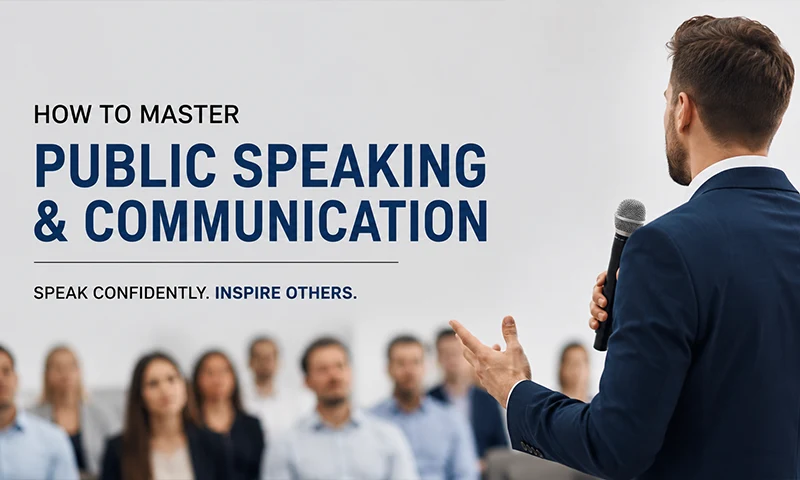
Public speaking and communication are essential skills that can significantly impact both personal and professional success. Whether you are presenting an idea at work, speaking at an event, or simply communicating with others, the ability to express yourself clearly and confidently can open countless opportunities. Many people fear speaking in front of an audience, but with the right approach and consistent practice, anyone can become an effective communicator.
Understanding the Importance of Effective Communication
Communication is more than just speaking; it involves conveying ideas, emotions, and information in a way that others can easily understand. Strong communication skills help build relationships, increase trust, and improve collaboration. In the workplace, effective communicators often stand out as leaders because they can inspire, motivate, and guide others toward common goals.
Building Confidence Before Speaking
Confidence is the foundation of successful public speaking. One of the best ways to build confidence is through preparation. When you know your topic thoroughly, you are less likely to feel nervous. Practicing your speech multiple times helps you become familiar with the content and reduces anxiety. Remember that even experienced speakers feel nervous before presentations; the difference is that they have learned how to manage those feelings effectively.
Preparing Your Speech Effectively
Preparation is a crucial step in mastering public speaking. Start by identifying your audience and understanding their interests and expectations. Organize your speech with a clear introduction, main points, and conclusion. Keeping your message focused helps your audience follow along easily. Additionally, supporting your points with examples, stories, or statistics can make your speech more engaging and memorable.
Improving Your Body Language
Body language plays a major role in communication. Your posture, facial expressions, and gestures can either strengthen or weaken your message. Standing tall, maintaining eye contact, and using natural hand movements can help you appear confident and trustworthy. Positive body language not only improves audience engagement but also helps you feel more self-assured while speaking.
Developing Strong Vocal Skills
Your voice is one of your most powerful communication tools. Speaking clearly, varying your tone, and controlling your pace can keep your audience interested. Avoid speaking too quickly, as it can make your message difficult to understand. Strategic pauses can add emphasis to important points and give your audience time to absorb information. Practicing vocal exercises can also improve clarity and projection.
Learning the Art of Active Listening
Great communication involves listening as much as speaking. Active listening means paying full attention to the speaker, understanding their message, and responding thoughtfully. This skill helps build stronger relationships and ensures meaningful conversations. When people feel heard and understood, they are more likely to engage positively and trust your perspective.
Overcoming Fear and Anxiety
Fear of public speaking is one of the most common challenges people face. To overcome this fear, focus on your message rather than your mistakes. Visualization techniques, deep breathing exercises, and regular practice can help reduce anxiety. Starting with small speaking opportunities and gradually taking on larger audiences can also build confidence over time. Every successful presentation strengthens your ability to handle future speaking engagements.
Engaging Your Audience Effectively
Audience engagement is key to a successful presentation. Asking questions, sharing personal stories, and using relatable examples can capture attention and maintain interest. Interactive communication creates a connection between the speaker and the audience. When people feel involved, they are more likely to remember your message and respond positively to your ideas.
Practicing for Continuous Improvement
Like any skill, public speaking improves with practice. Record yourself speaking, seek feedback from trusted friends or colleagues, and identify areas for improvement. Joining speaking groups or participating in workshops can provide valuable experience and constructive criticism. Consistent practice helps refine your delivery, improve confidence, and develop a more natural speaking style.
Using Communication Skills in Everyday Life
Public speaking techniques are valuable beyond formal presentations. Everyday conversations, job interviews, team meetings, and networking events all require effective communication. Applying these skills regularly can enhance your personal and professional relationships. The more you practice communicating clearly and confidently, the more natural it becomes.
Conclusion
Mastering public speaking and communication is a journey that requires dedication, practice, and continuous learning. By building confidence, preparing thoroughly, improving body language, strengthening vocal skills, and actively listening to others, you can become a more effective communicator. These skills not only help you deliver impactful presentations but also improve your ability to connect with people in all areas of life. With persistence and consistent effort, anyone can develop the confidence and expertise needed to communicate successfully and inspire others.