





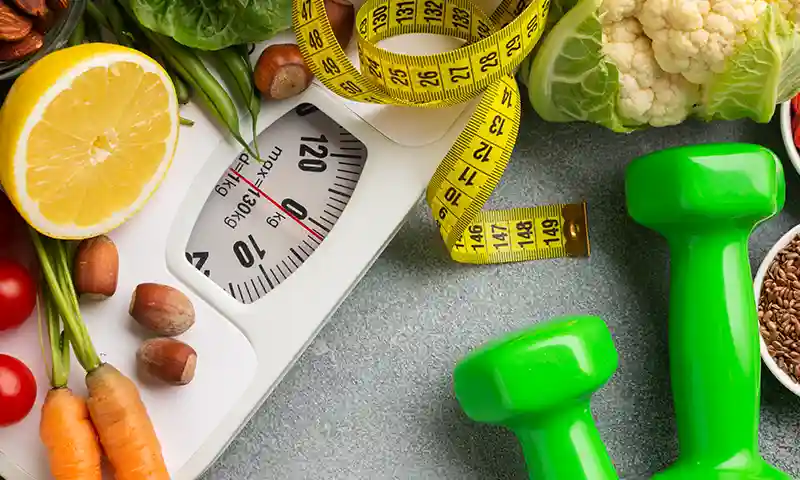
Balance Nutrition and Exercise
Reaching your fitness objectives requires striking the ideal balance between exercise and nutrition, not just going to the gym or sticking to a rigid diet. Together, these two pillars have the power to fuel your body, enhance performance, and hasten outcomes. The correct mix of diet and exercise will make all the difference, whether your goal is to gain muscle, reduce fat, or just maintain your health.
Why Exercise and Nutrition Go Hand in Hand
A bad diet cannot outtrain you, and you cannot rely solely on food without exercising. Exercise helps burn calories, build muscle, and increase metabolism, while nutrition gives your body the energy and nutrients it needs to function. You risk feeling exhausted, recovering slowly, or not making any real progress if you are out of balance.
Recognizing the Function of Diet
Fuel is food. Maintaining the proper ratio of proteins, carbs, and fats in your diet keeps your body functioning and energized. Healthy fats support bodily functions, proteins help repair muscles, and carbohydrates give you quick energy. Your results may suffer if you neglect any of these.
The Value of Physical Activity
Exercise shapes your results, while nutrition provides the framework. While cardio helps increase endurance and burn fat, strength training helps build lean muscle. Combining the two guarantees that your body will eventually function and look better.
How to Make a Meal Plan That Is Balanced
Aim for nutrient-dense, portion-controlled meals to encourage exercise. A well-balanced plate ought to have:
- lean proteins, such as beans, fish, or chicken.
- complex carbohydrates like quinoa, brown rice, or oats.
- Nuts, avocado, and olive oil are examples of healthy fats.
- Eat a lot of fruits and vegetables to get fiber and vitamins.
Nutrition Before Exercise
Performance is improved when the proper foods are consumed prior to exercise. One to two hours prior to your workout, eat a small, protein-rich, carbohydrate-rich meal to boost energy and lessen fatigue. Banana with peanut butter or oatmeal with fruit are two examples.
Recovery After Exercise
Your body requires nutrients to repair and strengthen itself after exercise. Within 30 to 60 minutes, a snack high in protein and carbohydrates aids in muscle repair and glycogen store replenishment. Good options include grilled chicken with sweet potatoes or a protein shake with berries.
Maintaining Hydration
Although it’s frequently disregarded, hydration is essential for both performance and recuperation. Consuming adequate water promotes endurance, prevents fatigue, and helps control body temperature. Try to consume two to three liters per day, or more if you’re exercising vigorously.
Preventing Typical Errors
When exercising vigorously, many people either eat too little or consume more than they expend. Progress can be halted by either extreme. Steer clear of skipping meals, eliminating whole food groups, or overindulging in “cheat meals.” The key is balance.
Consistency’s Function
Your body won’t change overnight with a single workout or nutritious meal. When you regularly combine healthy eating with exercise, the real magic happens. For long-term results, set reasonable goals, monitor your progress, and remain dedicated.
Discovering Your Equilibrium
There isn’t a solution that works for everyone. While some people may do better on diets high in carbohydrates, others may do better on diets high in protein. Finding a sustainable routine that works for your lifestyle, paying attention to your body, and making adjustments based on your activity level are crucial.
In conclusion
The key to achieving the best results is striking a balance between diet and exercise. You can attain long-term health and fitness success by providing your body with the proper nutrition, drinking plenty of water, and sticking to a regular exercise schedule. Keep in mind that the goal is to establish a lifestyle where physical activity and a healthy diet go hand in hand, not to find quick fixes.