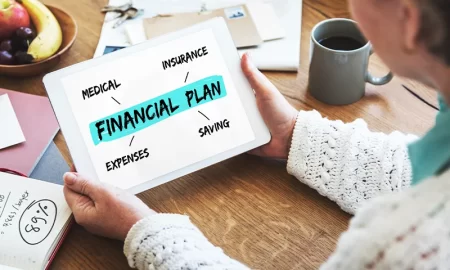






Expense Recording Techniques
Managing personal finances effectively starts with one simple habit: recording your expenses. While it may seem tedious at first, consistent expense tracking can transform the way you handle money. It provides clarity, control, and confidence in your financial decisions. By adopting the right techniques, you can build a strong foundation for long-term financial success.
1. Understand the Importance of Expense Tracking
Expense recording helps you see exactly where your money is going. Many people underestimate their daily spending, especially on small purchases like snacks, subscriptions, or transport. Over time, these small amounts add up significantly. By tracking every expense, you gain awareness and can identify unnecessary spending patterns. This awareness is the first step toward better financial discipline.
2. Choose the Right Recording Method
There are several ways to record expenses, and choosing the right method depends on your lifestyle and preferences:
-
Manual Notebook: Writing down expenses in a notebook is simple and effective. It helps build discipline and mindfulness.
-
Spreadsheets: Tools like Excel or Google Sheets allow you to categorize and analyze expenses easily.
-
Mobile Apps: Budgeting apps automate tracking, provide summaries, and send reminders, making the process convenient.
Consistency matters more than the method you choose. Pick one that you can maintain daily.
3. Categorize Your Expenses
Dividing expenses into categories makes analysis easier. Common categories include:
-
Housing (rent, utilities)
-
Food (groceries, dining out)
-
Transportation
-
Entertainment
-
Savings and investments
Categorization helps you identify which areas consume the most money. For example, you might discover that dining out is taking a large portion of your budget, prompting you to make adjustments.
4. Record Expenses Daily
One of the most effective techniques is recording expenses immediately or at the end of each day. Delaying the process can lead to forgotten transactions and inaccurate records. A daily habit ensures that every expense is captured, no matter how small. It also keeps you constantly aware of your spending behavior.
5. Set Spending Limits
Once you understand your spending patterns, set realistic limits for each category. For instance, you can allocate a fixed monthly amount for entertainment or shopping. Expense tracking allows you to monitor your progress and stay within these limits. This technique prevents overspending and encourages disciplined financial behavior.
6. Review and Analyze Regularly
Recording expenses is only useful if you review them regularly. At the end of each week or month, analyze your data:
-
Are you overspending in any category?
-
Are there unnecessary expenses you can eliminate?
-
Are you meeting your savings goals?
Regular reviews help you adjust your budget and improve your financial habits over time.
7. Use the 50/30/20 Rule
A popular budgeting technique is the 50/30/20 rule:
-
50% for needs (rent, food, bills)
-
30% for wants (entertainment, dining)
-
20% for savings and investments
Recording expenses helps you align your spending with this rule, ensuring a balanced financial approach.
8. Automate Where Possible
Automation can simplify expense tracking. Use bank alerts, automatic bill payments, and app integrations to reduce manual effort. This ensures that recurring expenses are always recorded and helps avoid missed payments.
9. Stay Consistent and Honest
The effectiveness of expense recording depends on honesty and consistency. Avoid skipping entries or underreporting expenses. Even small amounts matter. Over time, accurate data will give you a true picture of your financial health.
Conclusion
Expense recording is a powerful habit that can lead to financial success. It brings awareness, control, and accountability to your spending. By choosing the right method, categorizing expenses, reviewing regularly, and staying consistent, you can take charge of your finances. Over time, these techniques will help you save more, spend wisely, and achieve your financial goals with confidence.