




Team Communication and Performance
Strong team communication is the foundation of every successful organization. Whether your team works in an office or remotely, effective communication helps employees collaborate, solve problems, and achieve shared goals. Poor communication often leads to misunderstandings, reduced productivity, missed deadlines, and low employee morale. On the other hand, teams that communicate openly build trust, improve efficiency, and consistently deliver better results.
In today’s fast-paced business environment, improving team communication is no longer optional—it’s a necessity. Here are practical strategies that can help teams communicate better and enhance overall performance.
Establish Clear Communication Channels
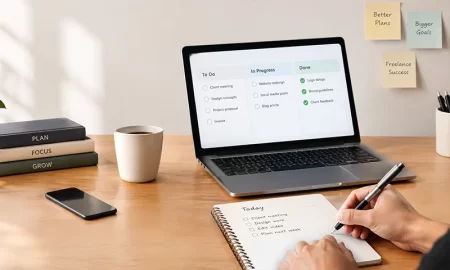
One of the first steps toward better teamwork is creating clear communication channels. Every team member should know where to share updates, ask questions, and discuss projects. Using tools like email, messaging platforms, or project management software helps keep everyone informed.
Avoid using too many communication platforms, as this can create confusion. Instead, define when to use each channel so important information never gets lost.
Encourage Open and Honest Conversations
A successful team thrives when members feel comfortable expressing their ideas and concerns. Encourage open communication by creating a workplace culture where everyone is respected and heard.
Managers should actively listen, welcome feedback, and address issues without judgment. Honest conversations reduce misunderstandings and strengthen relationships among team members.
Set Clear Goals and Expectations
Communication becomes much easier when everyone understands their responsibilities. Clearly define team goals, individual roles, deadlines, and expected outcomes.
When employees know what success looks like, they can focus on their tasks while collaborating effectively with others. Regularly reviewing objectives also helps keep everyone aligned.
Hold Regular Team Meetings
Consistent meetings ensure everyone stays updated on project progress and upcoming priorities. Short weekly or daily check-ins provide opportunities to discuss challenges, celebrate achievements, and resolve problems before they become bigger issues.
Keep meetings focused, organized, and productive by preparing an agenda in advance and encouraging participation from every team member.
Promote Active Listening
Communication isn’t just about speaking—it’s also about listening carefully. Active listening means giving full attention, asking clarifying questions, and understanding different perspectives before responding.
When employees feel heard, they become more engaged and confident, leading to stronger collaboration and fewer conflicts.
Leverage Collaboration Tools
Modern collaboration tools make teamwork faster and more organized. Project management platforms, shared documents, video conferencing, and instant messaging applications help teams communicate in real time, regardless of location.
Choosing the right technology improves workflow transparency and allows employees to collaborate efficiently on shared projects.
Build Trust Within the Team
Trust is essential for effective communication and high performance. Leaders can build trust by being transparent, recognizing employee contributions, and following through on commitments.
Encouraging teamwork, supporting colleagues, and respecting different viewpoints create an environment where people work together confidently toward common goals.
Provide Constructive Feedback
Regular feedback helps employees improve their skills and performance. Instead of focusing only on mistakes, balance constructive criticism with genuine recognition of achievements.
Timely feedback motivates employees, strengthens communication, and promotes continuous learning within the team.
Invest in Communication Skills Training
Even experienced professionals can benefit from improving their communication abilities. Workshops on presentation skills, conflict resolution, emotional intelligence, and active listening help employees communicate more effectively.
Continuous learning strengthens interpersonal relationships and contributes to long-term team success.
Celebrate Success and Learn from Challenges
Recognizing milestones and achievements boosts motivation and reinforces positive teamwork. At the same time, reviewing completed projects helps teams identify lessons learned and opportunities for improvement.
Celebrating success while reflecting on challenges creates a culture of continuous growth and stronger collaboration.
Conclusion
Improving team communication and performance requires consistent effort, clear expectations, and a supportive workplace culture. By establishing effective communication channels, encouraging openness, promoting active listening, using collaboration tools, and providing regular feedback, organizations can build stronger, more productive teams. When employees communicate effectively and trust one another, they become more engaged, solve problems faster, and achieve better business outcomes. Investing in communication today lays the foundation for long-term organizational success and sustainable team performance.