





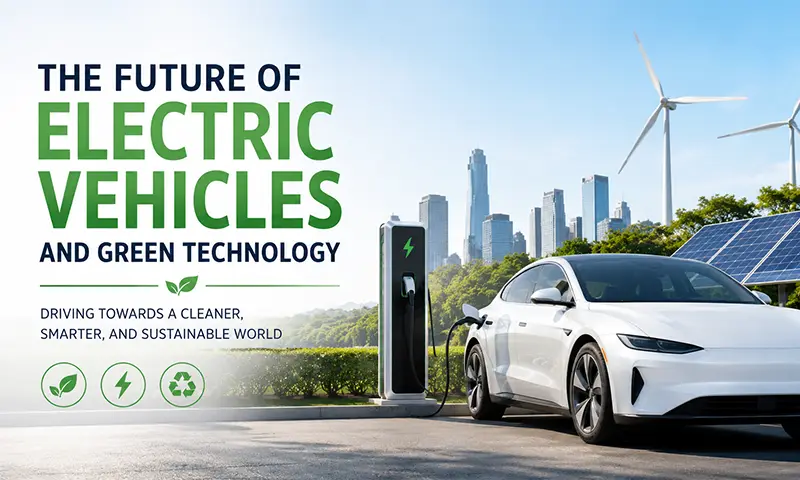
Future of Electric Vehicles
Introduction: A New Era of Sustainable Innovation
The world is rapidly moving toward a cleaner and more sustainable future, and electric vehicles (EVs) along with green technology are leading this transformation. Over the last decade, the global demand for eco-friendly solutions has grown significantly due to rising environmental concerns, increasing fuel prices, and government regulations aimed at reducing carbon emissions. As we move deeper into the modern era, electric transportation and green innovations are no longer optional—they are becoming essential.
The future of electric vehicles and green technology promises smarter cities, cleaner air, lower carbon footprints, and more efficient energy systems. From self-driving electric cars to renewable energy-powered charging stations, the possibilities are endless. This article explores how EVs and green technologies are shaping the future and what this means for businesses, consumers, and the planet.
The Rise of Electric Vehicles Around the World
Electric vehicles have experienced remarkable growth over the past few years. Once considered expensive and impractical, EVs are now becoming more affordable, accessible, and technologically advanced.
Major automobile companies are investing billions into EV production. Governments worldwide are also encouraging adoption through subsidies, tax incentives, and stricter emissions standards. Countries are gradually planning to phase out gasoline and diesel-powered vehicles to reduce environmental pollution.
The popularity of electric vehicles stems from several benefits, including lower fuel costs, reduced maintenance expenses, and environmentally friendly operation. Since EVs do not rely on traditional combustion engines, they produce zero tailpipe emissions, making them a sustainable transportation option.
How Green Technology Supports Electric Vehicles
Green technology plays a vital role in the success of electric vehicles. Sustainable innovations are helping make EV production and operation more environmentally responsible.
Renewable energy sources such as solar power, wind energy, and hydroelectricity are increasingly being used to charge electric vehicles. This reduces dependence on fossil fuels and minimizes greenhouse gas emissions.
Many companies are also developing eco-friendly batteries using recyclable materials to reduce waste. Advanced manufacturing techniques aim to lower the environmental impact of EV production while improving efficiency.
The combination of green technology and electric mobility creates a powerful solution for combating climate change and building a sustainable future.
Battery Technology: The Driving Force Behind EVs
One of the most important components of electric vehicles is battery technology. Modern EV batteries have become more efficient, durable, and powerful than ever before.
Lithium-ion batteries currently dominate the market because they offer high energy storage and long lifespan. However, researchers are developing next-generation battery systems such as solid-state batteries, which promise faster charging times, improved safety, and longer driving ranges.
Battery costs are also steadily decreasing, making electric vehicles more affordable for average consumers. Experts predict that future battery advancements will significantly improve EV performance while reducing overall costs.
As battery technology evolves, electric vehicles are expected to become even more practical for daily use and long-distance travel.
The Role of Artificial Intelligence in Electric Mobility
Artificial intelligence (AI) is becoming increasingly important in the future of electric vehicles. Smart technologies are enhancing vehicle safety, efficiency, and driving experiences.
AI-powered systems can optimize battery performance, predict maintenance needs, and improve route planning for energy efficiency. Many modern EVs already include intelligent features such as autonomous driving assistance, smart parking, and real-time navigation.
In the future, fully autonomous electric vehicles may become common, reducing traffic accidents and improving transportation systems worldwide.
AI and green technology together are helping redefine how people travel and interact with vehicles.
Charging Infrastructure: Solving Range Anxiety
One major challenge for electric vehicle adoption is charging accessibility. Many consumers worry about running out of battery power during long trips, commonly known as range anxiety.
Fortunately, charging infrastructure is rapidly improving. Governments and private companies are investing in fast-charging stations across highways, urban areas, and residential neighborhoods.
Ultra-fast charging technologies now allow some electric vehicles to recharge significantly faster than before. Wireless charging systems and solar-powered charging stations are also being developed to improve convenience.
As charging networks expand, owning an electric vehicle will become easier and more practical for millions of people.
The Environmental Benefits of Electric Vehicles
Electric vehicles provide several environmental advantages over traditional fuel-powered cars. Since EVs produce no direct exhaust emissions, they help reduce air pollution in cities and urban environments.
Transportation contributes significantly to greenhouse gas emissions worldwide. Transitioning to electric mobility powered by renewable energy can dramatically reduce carbon dioxide output.
Additionally, green manufacturing practices are helping reduce industrial waste and energy consumption associated with vehicle production.
Cleaner transportation not only benefits the environment but also improves public health by reducing respiratory illnesses linked to air pollution.
Smart Cities and Green Transportation
The future of transportation goes beyond electric cars. Smart cities are being designed with integrated green technology to create more efficient and sustainable urban living.
Electric buses, smart traffic systems, bicycle-sharing programs, and renewable energy-powered public transportation are becoming increasingly common.
Connected infrastructure will allow electric vehicles to communicate with traffic systems to reduce congestion and improve travel efficiency. Smart roads equipped with charging capabilities may even power vehicles while driving.
This shift toward intelligent urban planning will create cleaner, safer, and more energy-efficient cities.
Challenges Facing Electric Vehicles and Green Technology
Despite rapid progress, several challenges still exist. Battery production requires raw materials such as lithium and cobalt, raising concerns about sustainability and ethical sourcing.
Charging infrastructure in some regions remains limited, especially in rural areas. Additionally, electric vehicles can still be expensive for some consumers despite falling prices.
There is also the challenge of energy production. If electricity comes from non-renewable sources, the environmental benefits of EVs may be reduced.
However, continued investment in renewable energy, battery recycling, and technological innovation is expected to address these issues over time.
Government Policies Driving the Green Revolution
Governments around the world are playing a crucial role in accelerating the adoption of electric vehicles and green technology.
Policies such as tax credits, EV incentives, fuel efficiency regulations, and investments in renewable energy infrastructure are encouraging consumers and manufacturers to transition toward sustainable solutions.
Some nations have announced plans to ban gasoline-powered cars in the coming decades. These regulations are pushing automotive companies to innovate and develop cleaner alternatives.
Public awareness campaigns are also helping educate people about the benefits of electric transportation and eco-friendly living.
The Economic Impact of Green Technology
Green technology is not only helping the environment—it is also creating economic opportunities. The growing electric vehicle industry is generating millions of jobs in manufacturing, software development, battery production, and renewable energy sectors.
Businesses investing in sustainability are attracting environmentally conscious consumers. Startups focusing on green innovations are also receiving strong investor support.
As demand for electric vehicles increases, industries connected to clean energy and smart mobility are expected to experience significant growth.
The green economy may soon become one of the largest contributors to global economic development.
Consumer Adoption and Changing Mindsets
Consumers are gradually embracing electric vehicles as awareness grows about climate change and environmental sustainability.
Modern EVs offer attractive designs, impressive performance, and advanced technology features that rival traditional vehicles. Improved affordability and government incentives are also encouraging more people to switch.
Younger generations, in particular, are prioritizing sustainability and environmentally responsible products. This cultural shift is expected to accelerate the adoption of green technology in everyday life.
Changing consumer behavior will be a major factor in shaping the future of transportation.
Future Innovations to Watch
The future of electric vehicles and green technology looks incredibly promising. Emerging innovations may completely transform transportation and energy systems.
Some exciting developments include:
- Self-driving electric vehicles
- Solar-powered cars
- Advanced battery recycling systems
- Hydrogen fuel-cell technology
- Wireless EV charging
- Smart grids for renewable energy management
These technologies could revolutionize mobility while reducing humanity’s environmental footprint.
Conclusion
The future of electric vehicles and green technology represents one of the most important transformations of our time. As environmental concerns continue to grow, the need for sustainable transportation and clean energy solutions becomes increasingly urgent.
Electric vehicles are becoming smarter, more affordable, and more accessible, while green technology continues to improve energy efficiency and reduce environmental impact. Although challenges remain, ongoing advancements in battery technology, renewable energy, and charging infrastructure are paving the way for a cleaner future.
By embracing electric mobility and sustainable innovation, societies worldwide can reduce pollution, create economic opportunities, and improve quality of life. The road ahead is undoubtedly electric, and green technology will play a critical role in shaping a healthier and more sustainable planet for future generations.