




Workflow with AI Tools
Artificial Intelligence (AI) has transformed the way designers, marketers, and content creators work. Tasks that once required hours of manual effort can now be completed in minutes with the help of AI-powered tools. From generating design concepts to writing marketing copy and analyzing audience behavior, AI helps professionals work faster, smarter, and more creatively. By integrating AI into daily workflows, creatives can focus more on strategy, storytelling, and innovation rather than repetitive tasks.
1. Idea Generation and Research
Every creative project begins with an idea. AI tools can help designers, marketers, and creators brainstorm concepts quickly. Tools like ChatGPT, Jasper, or Copy.ai can generate topic ideas, campaign themes, blog outlines, and social media concepts within seconds.
For designers, AI platforms like Midjourney or DALL·E can generate visual inspiration, mood boards, and style concepts. Instead of spending hours searching for references, designers can quickly explore dozens of visual directions and select the best ones.
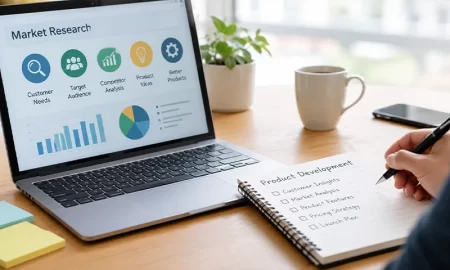
Marketers can also use AI-powered research tools to analyze trends, keywords, and audience interests. This helps ensure that the content or campaign aligns with what people are actively searching for online.
2. Content Creation
AI tools significantly speed up the content creation process. Writers and marketers can use AI to draft blog posts, product descriptions, email campaigns, and social media captions. These tools can also suggest headlines, improve grammar, and optimize content for readability.
Designers benefit from AI-powered design assistants integrated into platforms like Adobe Photoshop, Illustrator, and Canva. These tools can remove backgrounds, generate images, suggest layouts, and even create design variations automatically.
For video creators, AI tools such as Runway, Pictory, or Descript can help with editing, voice generation, subtitles, and scene creation. This allows creators to produce high-quality videos much faster than traditional editing methods.
3. Design and Visual Production
Design workflows have become faster thanks to AI automation. Designers can use AI for tasks like color palette generation, layout suggestions, font pairing, and image enhancement.
AI-powered features in modern design software can automatically select objects, remove unwanted elements, upscale images, or generate design components. This reduces the time spent on repetitive editing tasks and allows designers to focus on creativity and storytelling.
Creators can also generate social media graphics, thumbnails, banners, and marketing visuals using AI design platforms, helping maintain consistency across multiple platforms.
4. Marketing Automation and Optimization
For marketers, AI plays a huge role in campaign optimization. AI tools can analyze audience data, predict customer behavior, and recommend the best times to post content or send emails.
Marketing platforms with AI capabilities can automate ad copy generation, A/B testing, and performance tracking. Instead of manually testing different versions of ads, AI can quickly determine which content performs best.
AI-driven analytics tools also provide insights into engagement rates, conversion metrics, and customer preferences, allowing marketers to continuously improve their strategies.
5. Collaboration and Productivity
AI tools also enhance team collaboration and productivity. Project management platforms like Notion AI, ClickUp AI, or Monday.com AI can summarize meetings, generate task lists, and automate documentation.
Designers and marketers working in teams can use AI to quickly generate reports, presentations, and summaries of campaign results. This reduces time spent on administrative tasks and keeps projects organized.
6. Final Review and Publishing
Before publishing content, AI tools can assist with proofreading, SEO optimization, and content improvements. Tools like Grammarly and SurferSEO help ensure that written content is clear, engaging, and optimized for search engines.
AI can also generate metadata, hashtags, and keyword suggestions to improve discoverability across search engines and social media platforms.
Conclusion
AI tools are revolutionizing workflows for designers, marketers, and creators. By automating repetitive tasks, generating ideas, and providing data-driven insights, AI allows professionals to focus more on creativity and strategic thinking. When used effectively, AI becomes a powerful assistant that enhances productivity, speeds up content creation, and helps teams produce higher-quality work in less time.
As AI technology continues to evolve, integrating these tools into daily workflows will become essential for anyone looking to stay competitive in the creative and digital marketing industries.