



How to Identify Your Most Valuable Business Assets
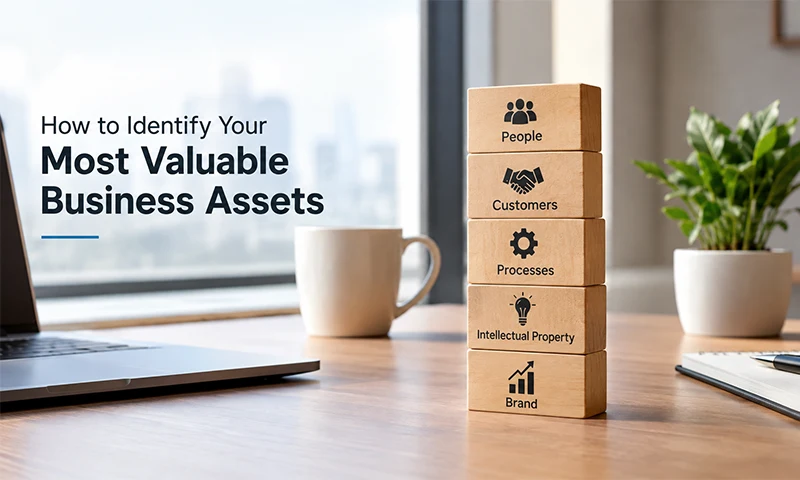
Every business owns assets, but not every asset contributes equally to long-term success. Some assets generate revenue directly, while others strengthen customer relationships, improve efficiency, or give a company an advantage over competitors. Identifying your most valuable business assets helps you understand where your real strengths lie and where you should invest your time, money, and resources. These assets can include physical property, technology, employees, intellectual property, customer relationships, brand reputation, and even internal processes.
Start With a Complete Asset Inventory
The first step is to create a complete list of everything your business owns or relies on to operate. Physical assets may include offices, machinery, vehicles, equipment, inventory, and computers. Digital assets can include websites, software, databases, social media accounts, and digital content. You should also consider less visible assets such as employee expertise, customer data, supplier relationships, trademarks, and business processes. Creating a broad inventory prevents valuable resources from being overlooked.
Separate Tangible and Intangible Assets
Not all valuable business assets can be physically touched. Tangible assets are easier to identify because they have a physical presence and often appear clearly on financial records. Intangible assets, however, can be even more valuable. A strong brand reputation, loyal customer base, proprietary knowledge, unique designs, patents, copyrights, and experienced employees can create significant long-term value. Businesses should evaluate both categories rather than focusing only on assets that have a clear purchase price.
Measure the Financial Contribution of Each Asset
One practical way to identify valuable assets is to examine how each one contributes to revenue and profitability. Ask questions such as: Does this asset help generate sales? Does it reduce operating costs? Does it improve productivity? Does it support customer retention? For example, a company’s website may not have a high physical value, but if it consistently generates leads and sales, its business value could be substantial. Looking at financial contribution provides a more realistic picture of an asset’s importance.
Consider the Value of Your Employees
Employees are among the most important assets in many businesses, particularly those that depend on creativity, knowledge, service, or technical expertise. Experienced employees understand customers, processes, company culture, and industry challenges. Their knowledge can be difficult and expensive to replace. Businesses should identify key skills and individuals whose contributions have a significant impact on performance. Investing in employee development can therefore protect and increase one of the company’s most valuable resources.
Evaluate Customer Relationships
A loyal customer base can be one of the strongest assets a business has. Customers who repeatedly purchase, recommend the company, and provide valuable feedback contribute to predictable revenue and sustainable growth. Instead of simply counting the number of customers, businesses should examine customer lifetime value, retention rates, purchase frequency, and referral activity. Strong customer relationships can provide a competitive advantage that competitors cannot easily copy.
Look at Your Brand and Reputation
A trusted brand can influence purchasing decisions, attract talented employees, and support premium pricing. Reputation takes years to build but can be damaged quickly, making it an important strategic asset. Review customer feedback, online reviews, brand recognition, media coverage, and overall market perception. If customers associate your company with quality, reliability, innovation, or excellent service, that reputation has genuine business value.
Identify Assets That Give You a Competitive Advantage
An asset becomes particularly valuable when competitors cannot easily reproduce it. This could be proprietary technology, a unique production process, exclusive partnerships, specialist knowledge, a recognizable brand, or a highly skilled team. Ask yourself what your business can do better or differently from competitors. The assets behind that advantage deserve special attention because they can play a major role in protecting your market position.
Review Assets Regularly
Business value changes over time, so asset evaluation should not be a one-time activity. Technology can become outdated, customer preferences can change, employees can leave, and new intellectual property can be created. Conducting an asset review at least once or twice a year can help management identify risks and opportunities. Regular reviews also make it easier to decide which assets should be maintained, improved, replaced, or sold.
Turn Valuable Assets Into Growth Opportunities
Once you know which assets are most valuable, the next step is to use them strategically. A strong customer base can support new products, skilled employees can develop innovative services, and a trusted brand can help the company enter new markets. The goal is not simply to own valuable assets but to maximize their potential. Understanding what makes your business valuable allows you to make smarter investments, reduce risks, and build a stronger foundation for sustainable growth.
Conclusion: Know What Makes Your Business Valuable
Your most valuable business assets are not always the ones with the highest price tag. Often, the greatest value comes from resources that generate consistent revenue, build customer loyalty, improve efficiency, or create a competitive advantage. By identifying tangible and intangible assets, measuring their contribution, and reviewing them regularly, business owners can gain a clearer understanding of what truly drives success. This knowledge makes it easier to protect important resources and turn existing strengths into future growth.