





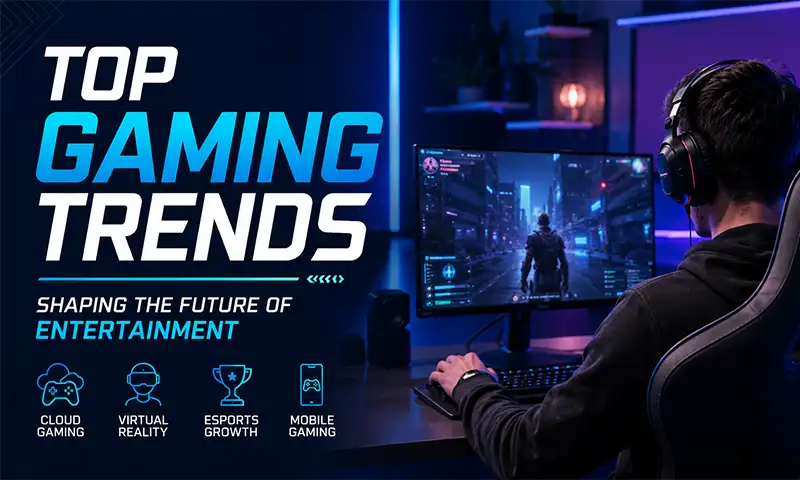
Gaming Trends
The gaming industry has evolved from a niche hobby into one of the most influential forms of entertainment in the world. With technological advancements, changing consumer preferences, and innovative gaming experiences, the future of gaming is transforming at an unprecedented pace. Today, gaming is no longer limited to traditional consoles and computers; it now extends to mobile devices, virtual worlds, cloud platforms, and immersive digital experiences. As the industry continues to grow, several key trends are shaping the future of entertainment.
The Rise of Cloud Gaming
Cloud gaming is revolutionizing how people access and play games. Instead of requiring expensive gaming hardware, players can stream games directly from powerful remote servers. This technology allows users to enjoy high-quality gaming experiences on smartphones, tablets, laptops, and smart TVs. As internet infrastructure improves globally, cloud gaming is expected to make gaming more accessible and affordable for millions of players.
Virtual Reality and Immersive Experiences
Virtual Reality (VR) is becoming a major force in the gaming industry. Modern VR headsets provide highly immersive experiences that place players directly inside the game world. From action adventures to simulation games, VR technology is creating new levels of engagement and realism. As hardware becomes lighter, more affordable, and technologically advanced, VR gaming is likely to become a mainstream entertainment option.
Augmented Reality Expanding Possibilities
Augmented Reality (AR) combines digital elements with the real world, creating interactive experiences that blend physical and virtual environments. Popular AR games have demonstrated the potential of this technology to engage players in unique ways. Future AR developments could transform gaming into a more social and location-based experience, making entertainment more interactive than ever before.
Mobile Gaming Continues to Dominate
Mobile gaming has become one of the largest segments of the gaming market. The widespread availability of smartphones and affordable internet access has enabled billions of people to enjoy games anytime and anywhere. Developers are increasingly creating high-quality mobile games with advanced graphics, competitive multiplayer modes, and engaging storylines. The mobile gaming sector will continue driving industry growth for years to come.
Artificial Intelligence Enhancing Gameplay
Artificial Intelligence (AI) is transforming game development and player experiences. AI-powered characters can adapt to player behavior, creating more realistic interactions and challenging gameplay. Developers also use AI to generate game environments, personalize content, and improve game testing processes. As AI technology advances, players can expect more dynamic and intelligent gaming worlds.
The Growth of Esports
Esports has emerged as a global entertainment phenomenon. Professional gaming tournaments attract millions of viewers online and in arenas worldwide. Competitive gaming now offers substantial prize pools, sponsorship opportunities, and career paths for skilled players. The continued growth of esports is helping gaming gain recognition as a legitimate and influential entertainment industry.
Cross-Platform Gaming Becoming Standard
Gamers increasingly expect the ability to play with friends regardless of their device. Cross-platform gaming allows players on consoles, PCs, and mobile devices to compete and cooperate in the same game environment. This trend is fostering larger gaming communities and enhancing social interactions within games.
Blockchain and Digital Ownership
Blockchain technology is introducing new concepts such as digital ownership, secure transactions, and player-driven economies. Gamers can own virtual items, trade assets, and participate in decentralized gaming ecosystems. While still evolving, blockchain gaming has the potential to redefine how players interact with digital content and virtual economies.
Social Gaming and Virtual Communities
Gaming is becoming a powerful social platform where people connect, communicate, and collaborate. Multiplayer games, virtual events, and online communities enable players to build friendships and share experiences across geographical boundaries. These social elements are transforming gaming into a comprehensive entertainment ecosystem.
Subscription-Based Gaming Services
Subscription models are becoming increasingly popular in the gaming industry. Players can access extensive game libraries for a monthly fee, similar to streaming services in the film and music industries. These services provide affordable access to diverse gaming experiences and encourage players to explore new titles.
The Future of Gaming and Entertainment
The future of gaming will be driven by innovation, accessibility, and immersion. Emerging technologies such as cloud computing, AI, VR, and AR will continue reshaping how people play and experience digital entertainment. As gaming becomes more interconnected with social interaction, education, and virtual experiences, its influence on global culture will only grow stronger.
Conclusion
Gaming is no longer just a form of recreation; it has become a central pillar of modern entertainment. Trends such as cloud gaming, artificial intelligence, virtual reality, mobile gaming, esports, and blockchain technology are transforming the industry in remarkable ways. As these innovations continue to evolve, gaming will offer richer, more immersive, and more accessible experiences for players worldwide. The future of entertainment is increasingly interactive, and gaming is leading the way toward that exciting future.