





Mental Wellness
Introduction to Meditation and Mental Wellness
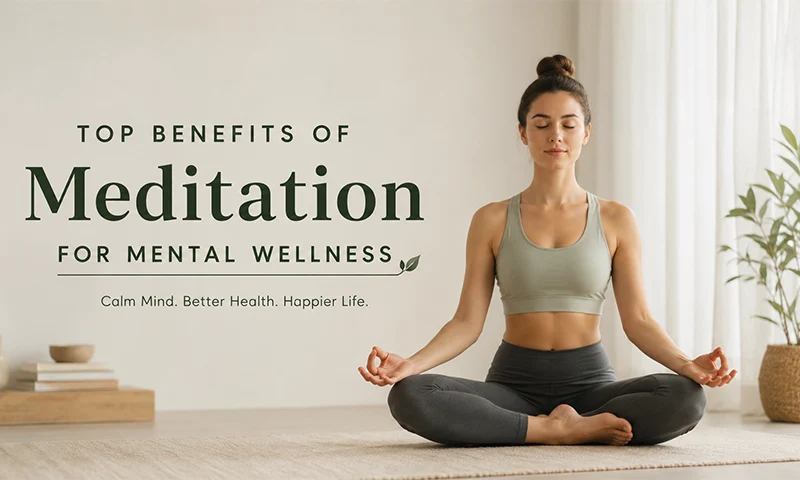
In today’s fast-paced world, mental wellness has become more important than ever. Stress, anxiety, and constant distractions can negatively affect our emotional and psychological health. One of the most effective and natural ways to improve mental well-being is through meditation. This ancient practice has been used for thousands of years to promote inner peace, clarity, and emotional balance. By dedicating just a few minutes each day to meditation, individuals can experience significant improvements in their mental health and overall quality of life.
Meditation Helps Reduce Stress
One of the most recognized benefits of meditation is its ability to reduce stress. Daily responsibilities, work pressure, and personal challenges often lead to increased levels of stress hormones in the body. Meditation encourages relaxation by calming the mind and slowing down racing thoughts. As a result, individuals feel more centered, relaxed, and better equipped to handle stressful situations. Consistent meditation practice can help create a sense of balance even during difficult times.
Improves Emotional Health
Meditation plays a crucial role in enhancing emotional well-being. It helps individuals become more aware of their thoughts and emotions without reacting impulsively. This increased self-awareness can reduce negative thinking patterns and promote a more positive outlook on life. Many people who meditate regularly report feeling happier, more optimistic, and emotionally stable. Over time, meditation can help strengthen emotional resilience and improve overall mental wellness.
Enhances Self-Awareness
Understanding oneself is essential for personal growth and mental health. Meditation encourages self-reflection and mindfulness, allowing individuals to gain deeper insights into their thoughts, behaviors, and emotions. This heightened self-awareness helps people identify harmful habits and replace them with healthier patterns. By developing a stronger connection with oneself, meditation fosters confidence, self-acceptance, and personal development.
Reduces Symptoms of Anxiety
Anxiety affects millions of people worldwide and can interfere with daily life. Meditation is a powerful tool for managing anxiety because it teaches individuals to focus on the present moment rather than worrying about the future. Mindfulness meditation, in particular, helps calm the nervous system and reduce excessive worrying. Regular practice can lower anxiety levels, improve emotional regulation, and create a greater sense of peace and control.
Improves Concentration and Focus
Modern life is filled with distractions that make it difficult to maintain focus. Meditation trains the mind to concentrate on a single point of attention, such as breathing or a specific thought. This mental exercise strengthens attention span and improves cognitive function. Individuals who meditate regularly often find it easier to stay focused on tasks, make better decisions, and increase productivity both at work and in their personal lives.
Promotes Better Sleep Quality
Poor sleep can have a significant impact on mental wellness. Stress, anxiety, and overthinking often prevent people from getting restful sleep. Meditation helps relax the body and quiet the mind, making it easier to fall asleep and stay asleep. Practicing meditation before bedtime can reduce mental chatter and create a calming routine that supports healthy sleep patterns. Better sleep contributes to improved mood, energy levels, and mental clarity.
Strengthens Emotional Resilience
Life inevitably presents challenges, setbacks, and disappointments. Meditation helps individuals develop emotional resilience by teaching them how to respond thoughtfully rather than react emotionally. Through mindfulness and self-awareness, people learn to accept difficult emotions without becoming overwhelmed by them. This ability to remain calm and balanced during adversity can significantly improve mental wellness and overall life satisfaction.
Encourages Positive Thinking
Negative thoughts can affect self-esteem, relationships, and overall happiness. Meditation encourages a more positive mindset by helping individuals observe negative thoughts without becoming attached to them. Over time, this practice can reduce self-criticism and foster gratitude, compassion, and optimism. A positive mental attitude not only improves emotional well-being but also contributes to healthier relationships and a more fulfilling life.
Supports Mental Clarity and Decision-Making
A cluttered mind can make decision-making difficult and lead to feelings of confusion. Meditation helps clear mental distractions and enhances clarity of thought. By creating a sense of calm and focus, meditation allows individuals to evaluate situations more objectively and make informed decisions. Improved mental clarity can benefit both personal and professional aspects of life, leading to greater confidence and effectiveness.
Builds Stronger Mind-Body Connection
Mental wellness is closely linked to physical health. Meditation strengthens the connection between the mind and body by encouraging awareness of physical sensations, breathing patterns, and emotional states. This increased awareness helps individuals recognize signs of stress or emotional imbalance early and take proactive steps to address them. A strong mind-body connection promotes overall well-being and supports long-term mental health.
Conclusion
Meditation is a simple yet powerful practice that offers numerous benefits for mental wellness. From reducing stress and anxiety to improving focus, emotional health, and sleep quality, meditation can positively transform many aspects of life. Regular meditation encourages self-awareness, emotional resilience, and a positive mindset, helping individuals navigate life’s challenges with greater ease and confidence. By incorporating meditation into a daily routine, anyone can take meaningful steps toward achieving better mental wellness and a healthier, more balanced life.