





Competitive Advantage in Your Industry
Creating a competitive advantage begins with understanding what makes your business different from others in the same industry. Customers have many choices, so simply offering a good product or service may not be enough. Think about what your company does particularly well, whether it is better customer service, faster delivery, stronger quality, better pricing, innovative products, or a more convenient experience. Your unique strengths can become the foundation of a competitive advantage that customers recognize and value.
Know Your Target Customers
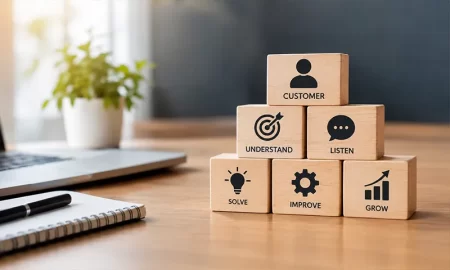
A strong competitive advantage is closely connected to understanding your customers. Take time to learn about their needs, expectations, frustrations, buying habits, and priorities. Customer feedback, reviews, surveys, and direct conversations can provide useful insights. When you understand what your target audience truly wants, you can design products, services, and experiences around those needs. Businesses that consistently solve real customer problems are more likely to build lasting relationships and stand out in a crowded market.
Study Your Competitors Carefully
Knowing your competitors is just as important as knowing your own business. Research what competing companies offer, how they communicate with customers, what they charge, and where they appear to perform well or fall short. The goal is not to copy them but to identify opportunities that they may be missing. A competitor analysis can reveal gaps in the market and help you find practical ways to provide something more useful, convenient, personal, or valuable.
Focus on Consistent Quality
Quality is one of the simplest ways to build customer trust over time. Whether you sell physical products, professional services, or digital solutions, customers want reliability. Consistent quality encourages repeat purchases and positive recommendations. Businesses should regularly review their products and services, identify areas for improvement, and maintain clear quality standards. When customers know what they can expect from your brand, they have a stronger reason to choose you again.
Invest in Innovation
Markets change quickly, and businesses that stop improving can eventually lose relevance. Innovation does not always mean creating a revolutionary product. It can involve improving an existing service, adopting new technology, simplifying a process, or finding a better way to communicate with customers. Encourage your team to share ideas and experiment with practical improvements. A culture of continuous innovation can help your business respond to changing customer expectations and industry trends.
Build a Strong Customer Experience
Customer experience can become a powerful source of differentiation. Customers remember how easy it was to purchase something, communicate with a company, receive support, and resolve a problem. Small details can make a meaningful difference. Make your website easy to navigate, respond to questions promptly, provide clear information, and make the buying process as convenient as possible. A positive experience can turn an ordinary transaction into a reason for customers to return.
Develop Your Brand Identity
A recognizable brand can help customers remember your business in a competitive marketplace. Your brand identity should communicate what your company stands for through its visual style, messaging, tone, and overall customer experience. Consistency across your website, social media, packaging, advertising, and other communication channels can make your business appear more professional and trustworthy. A strong brand is not only about an attractive logo; it is about creating a clear and consistent impression.
Use Technology Strategically
Technology can help businesses improve efficiency, understand customers, and deliver better services. Depending on your industry, this could include customer relationship management software, analytics platforms, automation tools, artificial intelligence, e-commerce systems, or digital communication platforms. The important thing is to choose technology that solves real business problems rather than adopting tools simply because they are popular. Strategic technology use can reduce repetitive work and give businesses more time to focus on customers and growth.
Create Value That Is Difficult to Copy
The strongest competitive advantages are often built through a combination of capabilities rather than a single feature. A competitor may copy a product feature or lower a price, but it is harder to replicate a trusted brand, experienced team, efficient systems, loyal customer relationships, and strong company culture all at once. Focus on developing several strengths that work together. Over time, this combination can create a position that is much more difficult for competitors to duplicate.
Keep Improving Your Competitive Advantage
A competitive advantage should not be treated as something permanent. Customer expectations, technology, competitors, and market conditions continue to change. Review your strategy regularly and look for opportunities to improve. Track customer feedback, monitor industry developments, measure business performance, and remain open to new ideas. Businesses that keep learning and adapting are better positioned to protect their strengths and create new opportunities for sustainable growth.
Conclusion
Creating a competitive advantage in your industry requires more than having a good product or competitive price. It involves understanding customers, studying the market, maintaining quality, investing in innovation, building a recognizable brand, and continuously improving the customer experience. By combining these elements and focusing on value that customers genuinely appreciate, a business can establish a stronger position and build a foundation for long-term success.