




Customer Journey Mapping
Every customer goes through a journey before deciding to purchase a product or service. From discovering a brand for the first time to making a purchase and becoming a loyal customer, every interaction shapes their overall experience. Understanding this journey is essential for businesses that want to attract customers, build trust, and improve customer satisfaction.
Customer journey mapping helps businesses understand how people interact with their brand at different stages. It provides a clear picture of customer expectations, challenges, and experiences, allowing companies to make better decisions and create meaningful relationships.
What Is Customer Journey Mapping?
Customer journey mapping is the process of visually representing the steps customers take when interacting with a business. It covers the complete experience, including discovering a brand, researching products, comparing options, making purchases, and receiving after-sales support.
A customer journey map highlights important touchpoints, customer emotions, expectations, and possible challenges. Instead of focusing only on sales, businesses can understand the entire customer experience and identify opportunities to improve it.
Why Customer Journey Mapping Matters
Understanding customer behaviour allows businesses to make decisions based on real customer needs rather than assumptions. A well-designed customer journey map helps identify problems that may prevent customers from completing a purchase or returning for another transaction.
It also improves communication between departments. Marketing, sales, customer service, and product development teams can work towards the same customer experience goals. When everyone understands the customer’s journey, it becomes easier to deliver consistent service and build long-term relationships.
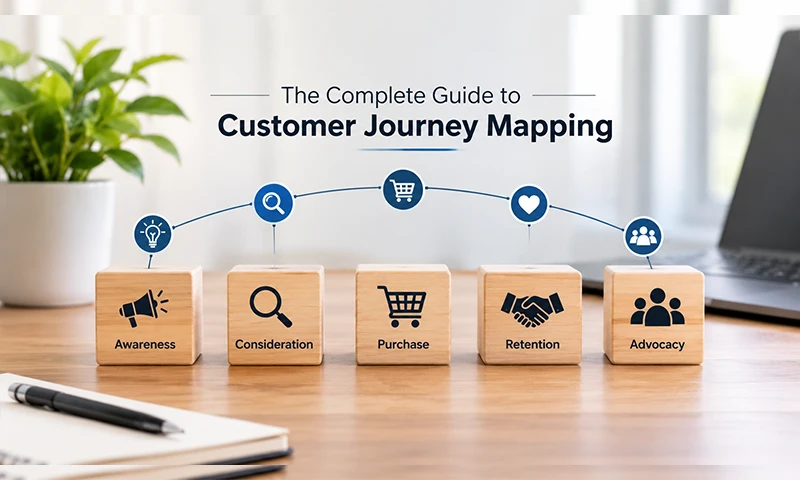
The Five Main Stages of a Customer Journey
1. Awareness: When Customers Discover Your Brand
The journey usually begins when potential customers become aware of a business. They might discover a brand through social media, search engines, online advertisements, recommendations, or blog content.
At this stage, businesses should focus on creating awareness through useful information, engaging content, and clear brand messaging.
2. Consideration: Comparing Available Options
After discovering a brand, customers begin researching products or services. They compare prices, read reviews, explore websites, and evaluate different options before making a decision.
Businesses can support customers by providing detailed product information, transparent pricing, customer testimonials, and helpful answers to common questions.
3. Decision: Making the Purchase
This is the stage where customers decide whether to purchase. Complicated checkout processes, hidden charges, limited payment options, or unclear product details can create unnecessary frustration.
A simple purchasing process, secure payment options, and clear information can help customers feel confident about their decisions.
4. Retention: Keeping Customers Engaged
The customer journey does not end after a purchase. Businesses must continue delivering value through quality products, reliable support, personalised communication, and loyalty programmes.
Positive post-purchase experiences encourage repeat purchases and strengthen customer relationships.
5. Advocacy: Turning Customers into Brand Supporters
Satisfied customers often recommend businesses to friends, family, and colleagues. They may also share positive reviews or experiences on social media.
Encouraging feedback, rewarding loyal customers, and consistently providing excellent service can turn happy customers into valuable brand advocates.
How to Create an Effective Customer Journey Map
Creating a useful customer journey map requires research and a clear understanding of your target audience. Start by identifying your ideal customer and understanding their needs, preferences, and purchasing behaviour.
Next, list all the touchpoints where customers interact with your business. These may include websites, emails, advertisements, social media platforms, physical stores, and customer support channels.
Then, identify customer expectations and possible challenges at each stage. Collect feedback through surveys, interviews, reviews, and website analytics to understand what customers actually experience.
Finally, organise this information into a visual journey map. Highlight areas that need improvement and develop practical strategies to create a smoother experience.
Common Customer Journey Mapping Mistakes to Avoid
One common mistake is creating a journey map based on assumptions instead of actual customer research. Businesses should use real feedback and behavioural data to understand customer expectations.
Another mistake is focusing only on the purchasing process while ignoring post-purchase experiences. Customer retention and long-term satisfaction are equally important.
Businesses should also avoid creating complicated maps that are difficult to understand. A simple, clear, and regularly updated journey map is more useful than an overly detailed document that teams rarely use.
The Role of Technology in Customer Journey Mapping
Modern technology makes customer journey mapping more effective. Customer Relationship Management (CRM) platforms, website analytics, marketing automation tools, and customer feedback systems help businesses understand customer interactions across different channels.
These tools provide valuable insights into customer behaviour and help identify patterns that might otherwise go unnoticed. Businesses can use this information to personalise communication, improve marketing campaigns, and deliver more relevant customer experiences.
Conclusion: Creating Better Experiences Through Customer Journey Mapping
Customer journey mapping is more than a marketing technique; it is an important business strategy for understanding and improving customer experiences. By identifying customer needs, analysing interactions, and addressing common challenges, businesses can create smoother experiences at every stage.
Companies that regularly review and improve their customer journey are better positioned to build trust, increase customer satisfaction, and encourage long-term loyalty. Ultimately, successful customer journey mapping starts with understanding customers and making every interaction with your brand more valuable.