





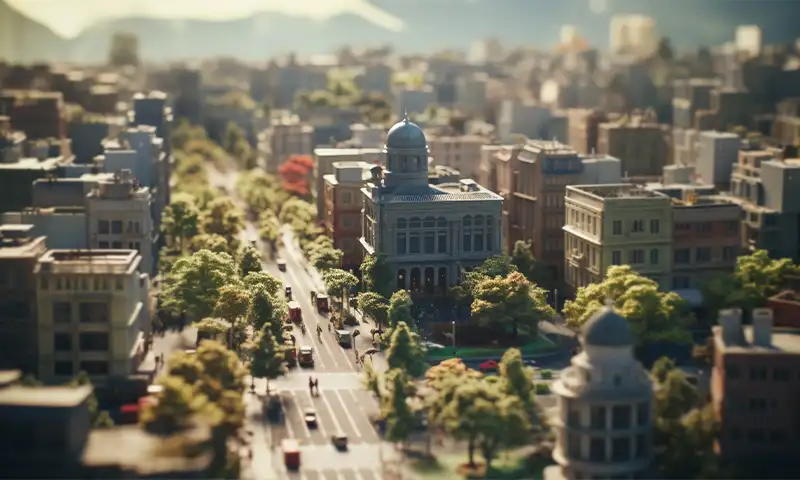
Real Estate Industry
The global economy and society have always been intimately linked to the real estate sector. Changes in consumer behavior and economic cycles constantly alter how real estate operates, from workplace trends to housing demand. The sector has shown itself to be extremely flexible over time, coming up with creative solutions to take advantage of fresh chances and challenges.
This article will examine how the real estate sector responded to social and economic changes, emphasizing significant developments that will continue to influence the sector’s future.
1. Addressing Cycles in the Economy
The economy as a whole has always moved in lockstep with the real estate market. Property values frequently fall during recessions, but recovery periods bring new growth. In order to survive downturns, developers, agents, and investors have learned to modify their approaches. For example, they may diversify their portfolios to spread risk or concentrate on rental properties during times of low demand.
2. Demographic Change and Urbanization
The need for urban housing and commercial real estate has increased significantly as more people move from rural to urban areas. In order to meet the needs of a wide range of demographics, including young professionals and expanding families, real estate developers have responded by constructing high-rise apartments, mixed-use communities, and sustainable housing projects.
3. The Office Market and Remote Work
One of the most significant social changes of the century—remote and hybrid work models—was brought on by the COVID-19 pandemic. Landlords were forced to reconsider commercial real estate as a result of the decreased demand for conventional office space. To remain competitive, many converted office spaces into flexible office setups, residential apartments, or co-working hubs.
4. The Real Estate Industry’s Digital Transformation
The digitization of real estate transactions was also accelerated by social and economic shifts. Blockchain-based contracts, AI-powered pricing models, virtual tours, and online property listings have all improved the efficiency and transparency of purchasing, selling, and renting real estate. This change decreased operating expenses for real estate companies while simultaneously improving the client experience.
5. Green and Sustainable Development
Real estate has moved toward eco-friendly projects as social responsibility and climate change awareness have grown. These days, developers incorporate energy-efficient designs, renewable energy, and green building materials. Sustainable housing is becoming more and more in demand from environmentally conscious consumers, which is forcing the sector to adopt long-term environmental objectives.
6. Solutions for Affordable Housing
The affordability of housing has been hampered by economic inequality. Low-cost housing projects are being developed in partnership with governments, non-profits, and private investors. In order to make homes more accessible, real estate companies have adjusted by collaborating with government regulations, providing shared housing, and developing innovative modular construction techniques.
7. Changes in Retail Property
Traditional mall foot traffic has decreased due to the growth of e-commerce, which has resulted in the adaptive reuse of retail spaces. To keep up with consumer behavior, a lot of retail properties are being transformed into community areas, warehouses, entertainment venues, or logistics hubs. This illustrates how real estate adjusts to shifting economic conditions.
8. Trends in International Investment
Cross-border real estate investing is becoming more and more diverse for foreign investors. This trend is influenced by economic cycles, governmental policies, and currency fluctuations. Developers and real estate companies have adjusted by using digital platforms, transparent legal processes, and flexible financing to make their products more appealing to overseas buyers.
9. The Development of Technology and Smart Homes
The demand for smart homes has increased as a result of societal expectations for security and convenience. Residential real estate is changing as a result of technology integration, from AI-driven security systems to IoT-powered appliances. While buyers enjoy contemporary, tech-friendly lifestyles, builders who embrace these innovations maintain their competitiveness.
10. Development Focused on the Community
The need for community-driven real estate projects has also grown as a result of social changes. More than just a home, today’s renters and buyers want access to local wellness centers, schools, healthcare facilities, and entertainment venues. In order to meet changing social expectations, developers are now creating neighborhoods with lifestyle amenities.
In conclusion
The ability to adapt has been essential to the real estate sector’s resilience during decades of change. Real estate professionals constantly adapt their strategies to meet changing demands, from economic downturns to digital disruption and sustainability goals.
The industry not only endures but flourishes by embracing technology, sustainability, and social trends, guaranteeing its continued status as a pillar of social advancement and economic growth.How the Real Estate Industry Adapted to Economic and Social Shifts