





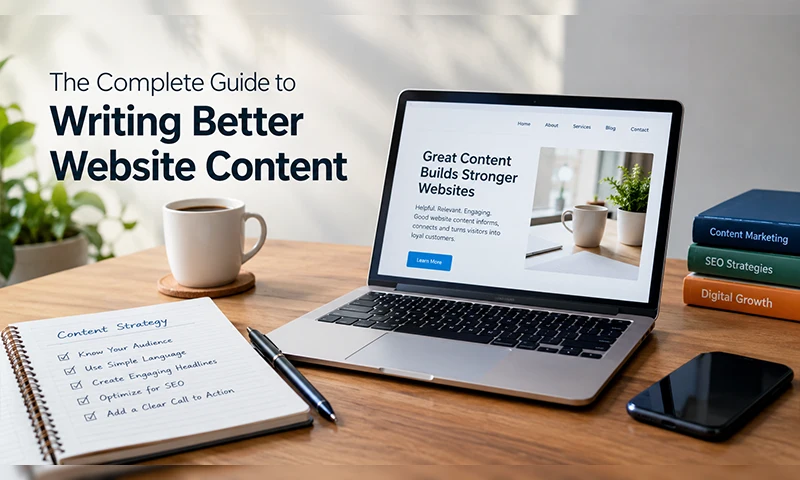
Writing Better Website Content
Website content plays an important role in how people understand a business, explore its services, and decide whether to trust its brand. A well-designed website may attract attention, but meaningful content encourages visitors to stay, learn, and take action. Whether you run a small business, manage a company website, or work as a content writer, learning to write better website content can help you communicate more effectively and build stronger relationships with your audience.
1. Understand Your Target Audience
The first step toward writing better website content is understanding who will read it. Think about your audience’s interests, challenges, questions, and expectations. For example, people visiting a financial services website may want clear information about fees, benefits, and reliability. When you understand what your readers need, you can create content that answers their questions instead of simply promoting your business.
2. Define a Clear Purpose for Every Page
Every website page should have a specific purpose. Your homepage might introduce your business, while a service page explains what you offer and a contact page helps visitors reach you. Before writing, decide what you want readers to learn or do after visiting each page. A clear purpose keeps your content focused and prevents unnecessary information from distracting visitors.
3. Use Simple and Natural Language
Good website content does not need complicated vocabulary to sound professional. In fact, simple language often makes information easier to understand and remember. Use short sentences, familiar words, and a natural writing style that reflects how people communicate. Avoid unnecessary technical terms unless your audience understands them. When industry-specific language is required, explain unfamiliar concepts in a straightforward way.
4. Create Engaging and Meaningful Headlines
Headlines help readers understand what a page or section offers before they begin reading. A strong headline should be specific, relevant, and easy to understand. Instead of using a vague heading such as “Our Solutions,” consider something more descriptive, such as “Digital Marketing Solutions to Help Your Business Grow.” Use clear headings and subheadings throughout the page so visitors can quickly find the information they need.
5. Make Your Content Easy to Scan
Most website visitors do not read every word from beginning to end. They often scan pages to locate important details. Make your content easier to navigate by using short paragraphs, descriptive headings, bullet points, and numbered lists where appropriate. Highlight essential information without overusing bold text. A clean content structure improves readability and helps visitors understand your message even when they have limited time.
6. Write With SEO in Mind
Search engine optimization (SEO) helps search engines understand your website and connect your pages with relevant searches. Start by researching keywords that your target audience naturally uses. Include relevant phrases in page titles, headings, introductions, and body content where they fit naturally. Write useful, original information instead of repeating keywords excessively. Clear page descriptions, descriptive image alt text, and relevant internal links can also support a better website experience.
7. Focus on Benefits, Not Just Features
Visitors want to understand how your product or service can help them. Rather than listing features alone, explain the practical benefits behind them. For example, instead of saying that your company offers website maintenance, explain how regular maintenance can improve website reliability and help reduce unexpected technical problems. Connecting features with real customer needs makes your content more relevant and persuasive.
8. Build Trust Through Honest Information
Trust is essential when people are deciding whether to contact a business or purchase a product. Provide accurate descriptions, transparent pricing where possible, genuine testimonials, and clear contact information. Avoid exaggerated promises or claims that you cannot support. Honest content sets realistic expectations and helps establish long-term credibility with potential customers.
9. Include Clear Calls to Action
A call to action (CTA) tells visitors what they can do next. Depending on your website’s purpose, this could mean requesting a quote, booking a consultation, subscribing to a newsletter, or exploring a product. Use direct, helpful language such as “Get a Free Consultation” or “Explore Our Services.” Place calls to action where they make sense, giving readers a natural next step without making the experience feel pushy.
10. Review, Update, and Improve Your Content
Writing website content is not a one-time task. Business information, customer expectations, and industry trends can change over time. Review your pages regularly to correct outdated details, improve unclear sections, and identify missing information. Check grammar, spelling, mobile readability, and working links before publishing. Website analytics and customer feedback can also reveal which pages need improvement.
Conclusion: Make Every Word Count
Writing better website content requires a clear understanding of your audience, a simple writing style, thoughtful organization, and a genuine focus on customer needs. By combining useful information with natural SEO practices and clear calls to action, you can create pages that inform visitors and support business growth. Start by improving one page at a time, measure the results, and continue refining your approach. Consistent effort will help you build a website that communicates clearly, earns trust, and delivers lasting value.