




Dropshipping Business
Starting an online business has never been easier, and dropshipping has become one of the most popular business models for entrepreneurs worldwide. If you are wondering how to start a profitable dropshipping business, the good news is that you do not need a large investment or a warehouse full of products. Dropshipping allows you to sell products directly to customers while a third-party supplier handles inventory storage and shipping. This low-risk model makes it ideal for beginners who want to enter the e-commerce industry.
A profitable dropshipping business requires more than simply listing products online. Success depends on selecting the right niche, finding reliable suppliers, creating a professional online store, and implementing effective marketing strategies. By understanding each step of the process, you can build a sustainable business that generates long-term revenue.
Understanding the Dropshipping Business Model
Before launching your venture, it is important to understand how dropshipping works. In a traditional retail model, businesses purchase inventory upfront and store products until they are sold. In contrast, dropshipping eliminates the need for inventory management.
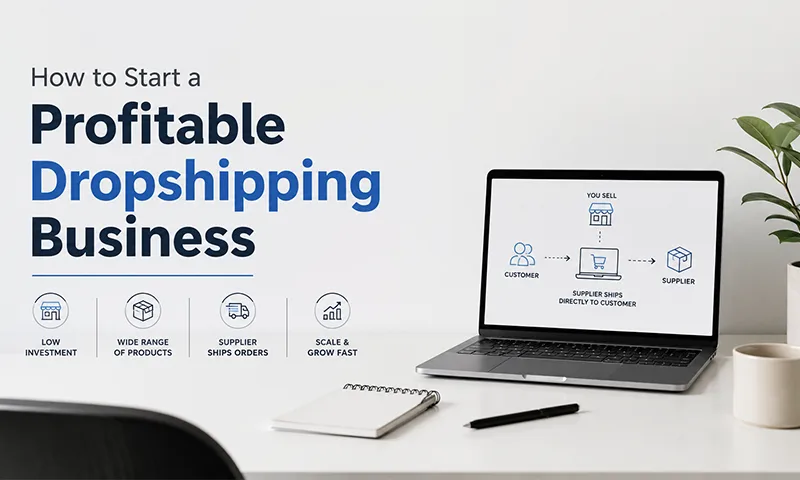
When a customer places an order on your online store, the order details are forwarded to your supplier. The supplier then packages and ships the product directly to the customer. Your profit comes from the difference between the retail price charged to the customer and the wholesale price paid to the supplier.
This model reduces financial risk because you only purchase products after receiving customer payments. However, profitability depends on choosing products wisely and maintaining excellent customer service.
Choosing the Right Niche for Profitability
One of the most critical steps in learning how to start a profitable dropshipping business is selecting a profitable niche. A niche is a specific market segment that focuses on a particular category of products.
Successful niches often solve problems, meet ongoing customer needs, or appeal to passionate audiences. Examples include fitness equipment, pet accessories, home organization products, beauty items, and eco-friendly goods.
When choosing a niche, consider factors such as market demand, competition, product pricing, and customer interest. Avoid selecting products solely because they are trending. Instead, focus on niches with long-term growth potential and recurring demand.
Researching High-Demand Products
Finding winning products is essential for generating sales and profits. Product research helps identify items that customers actively search for and purchase online.
Look for products that offer:
- Strong market demand
- Reasonable profit margins
- Unique features
- Positive customer reviews
- Low return rates
Analyze competitors, social media trends, and online marketplaces to discover popular products. Products priced between $20 and $100 often perform well because they provide healthy profit margins while remaining affordable for customers.
Continuous product testing is important because consumer preferences change over time. Successful dropshippers constantly evaluate new opportunities and remove underperforming products.
Finding Reliable Dropshipping Suppliers
Your supplier plays a major role in determining customer satisfaction and business success. Choosing reliable suppliers ensures quality products, timely shipping, and fewer customer complaints.
When evaluating suppliers, consider:
- Product quality
- Shipping speed
- Customer support
- Return policies
- Supplier reputation
Order sample products before adding them to your store. This allows you to evaluate quality, packaging, and delivery times firsthand. Building strong relationships with dependable suppliers can improve business efficiency and help maintain positive customer experiences.
Creating a Professional Online Store
A professional online store serves as the foundation of your dropshipping business. Customers judge your credibility based on your website design, user experience, and product presentation.
Your store should include:
- A clean and modern design
- Easy navigation
- Mobile responsiveness
- Secure payment options
- Detailed product descriptions
- High-quality images
A professional website builds trust and encourages visitors to make purchases. Investing time in optimizing your store can significantly improve conversion rates and customer satisfaction.
Writing Compelling Product Descriptions
Product descriptions play a crucial role in convincing visitors to become buyers. Instead of copying supplier descriptions, create unique content that highlights benefits rather than just features.
For example, instead of saying a water bottle holds 1 liter, explain how it helps users stay hydrated throughout the day without frequent refills.
Effective product descriptions should:
- Address customer pain points
- Highlight key benefits
- Use persuasive language
- Include relevant keywords
- Encourage action
Well-written descriptions improve both customer engagement and search engine visibility.
Setting Competitive Pricing Strategies
Pricing directly impacts profitability and customer purchasing decisions. Setting prices too low can reduce profits, while excessively high prices may discourage buyers.
Consider the following factors when pricing products:
- Product cost
- Shipping expenses
- Marketing costs
- Competitor pricing
- Desired profit margin
Many successful dropshippers aim for profit margins between 20% and 50%, depending on the product category. Testing different pricing strategies can help identify the most profitable approach for your store.
Implementing Effective Marketing Strategies
Even the best products will not generate sales without effective marketing. Marketing drives traffic to your store and increases brand awareness.
Popular marketing channels include:
Social Media Marketing
Platforms like Instagram, Facebook, TikTok, and Pinterest allow businesses to showcase products through engaging content. Consistent posting and audience interaction help build trust and attract potential customers.
Influencer Marketing
Partnering with influencers can expose your products to highly targeted audiences. Micro-influencers often provide excellent engagement rates and affordable promotional opportunities.
Search Engine Optimization (SEO)
SEO helps your website rank higher in search engine results. Optimizing product pages, blog content, and website structure can generate free organic traffic over time.
Email Marketing
Email marketing remains one of the most profitable digital marketing channels. Building an email list allows you to promote products, announce discounts, and encourage repeat purchases.
Managing Customer Service Successfully
Excellent customer service can differentiate your business from competitors. Since you do not directly control shipping and inventory, clear communication becomes especially important.
Provide prompt responses to customer inquiries and maintain transparency regarding shipping times. Offer clear return and refund policies to build trust.
Satisfied customers are more likely to leave positive reviews, recommend your business to others, and make repeat purchases. Strong customer relationships contribute significantly to long-term profitability.
Tracking Business Performance and Analytics
Data analysis helps identify strengths and weaknesses within your dropshipping business. Monitoring key performance indicators allows you to make informed decisions and optimize profitability.
Important metrics include:
- Website traffic
- Conversion rate
- Average order value
- Customer acquisition cost
- Return on advertising spend
- Customer lifetime value
Regularly reviewing analytics enables you to improve marketing campaigns, optimize product offerings, and increase revenue.
Scaling Your Dropshipping Business
Once your store begins generating consistent sales, scaling becomes the next objective. Growth strategies can help increase profits without dramatically increasing workload.
Effective scaling methods include:
- Expanding product catalogs
- Entering new markets
- Increasing advertising budgets
- Automating business processes
- Building a recognizable brand
Many successful entrepreneurs eventually transition from generic stores to branded e-commerce businesses. Branding improves customer loyalty and creates long-term competitive advantages.
Common Mistakes to Avoid in Dropshipping
Many beginners make avoidable mistakes that limit business growth. Understanding these challenges can help improve your chances of success.
Common mistakes include:
- Choosing overly competitive niches
- Relying on a single supplier
- Ignoring customer service
- Using poor-quality product images
- Neglecting marketing efforts
- Failing to analyze performance data
Avoiding these pitfalls can save time, reduce financial losses, and improve overall business performance.
Future Trends in the Dropshipping Industry
The dropshipping industry continues evolving as technology and consumer preferences change. Businesses that adapt quickly often gain competitive advantages.
Emerging trends include:
- Faster shipping expectations
- AI-powered customer support
- Personalized shopping experiences
- Sustainable product demand
- Mobile-first shopping behavior
Staying informed about industry developments helps entrepreneurs remain competitive and identify new growth opportunities.
Conclusion
Learning how to start a profitable dropshipping business involves much more than launching an online store. Success requires careful niche selection, thorough product research, reliable suppliers, professional website design, strategic pricing, and effective marketing. By focusing on customer satisfaction and continuously optimizing business operations, entrepreneurs can build a sustainable and profitable e-commerce venture. While challenges exist, the low startup costs and scalability of dropshipping make it an attractive business model for aspiring online business owners. With dedication, consistency, and smart decision-making, a dropshipping business can become a valuable source of long-term income and financial growth.