





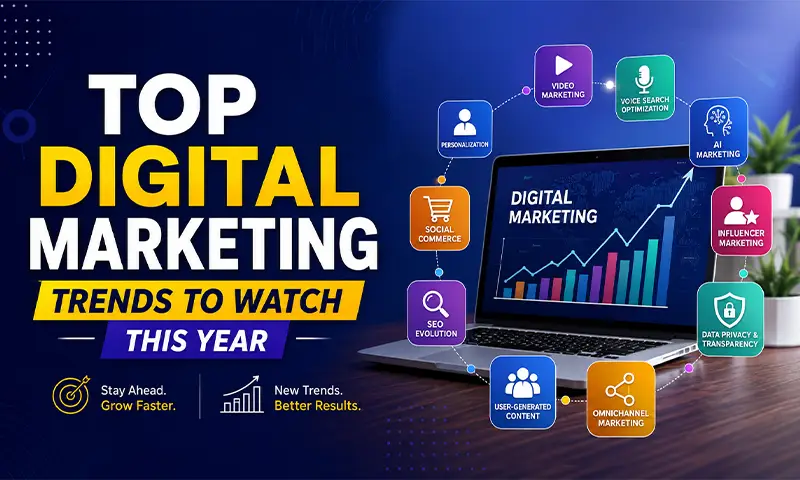
Digital Marketing Trends
Introduction
Digital marketing is changing faster than ever before. With new technologies, evolving customer behavior, and growing competition, businesses can no longer rely on outdated marketing methods to stay relevant. Whether you are a small business owner, entrepreneur, marketer, or content creator, staying updated with the latest digital marketing trends is essential for long-term growth.
This year, digital marketing is becoming more personalized, data-driven, and customer-focused. Consumers expect brands to provide engaging experiences, instant communication, and authentic interactions. Businesses that understand these changing expectations will have a stronger chance of increasing traffic, improving conversions, and building lasting customer relationships.
In this article, we will explore the top digital marketing trends to watch this year and how they can help businesses improve visibility, attract more customers, and stay ahead of competitors.
1. Artificial Intelligence (AI) in Marketing
Artificial Intelligence has become one of the most powerful tools in digital marketing. From chatbots to personalized recommendations, AI helps brands automate tasks and create better customer experiences.
Businesses are using AI-powered tools for:
- Content generation
- Email personalization
- Customer support
- Predictive analytics
- Data interpretation
For example, AI can analyze user behavior and recommend products based on previous purchases. This improves customer satisfaction and increases sales.
Why it matters: AI saves time, improves efficiency, and allows marketers to make smarter decisions based on real data.
2. Voice Search Optimization Is Growing
Voice search continues to gain popularity due to smart assistants like smartphones and smart speakers. People are increasingly speaking their search queries instead of typing them.
For example, instead of searching “best coffee shop Delhi,” users may ask, “What is the best coffee shop near me?”
To optimize for voice search:
- Focus on conversational keywords
- Use question-based content
- Improve website speed
- Optimize for local SEO
Why it matters: Businesses that adapt to voice search can gain better visibility in search engine rankings.
3. Video Marketing Continues to Dominate
Video content remains one of the most engaging forms of digital marketing. Short-form videos on social media platforms are driving huge engagement and helping brands connect with audiences more effectively.
Popular types of marketing videos include:
- Product demonstrations
- Tutorials
- Behind-the-scenes clips
- Customer testimonials
- Live streaming
Short-form content captures attention quickly, while long-form videos build trust and educate customers.
Why it matters: Video marketing improves engagement, increases website traffic, and boosts conversion rates.
4. Personalized Marketing Experiences
Modern consumers expect personalized experiences from brands. Generic advertisements are losing effectiveness because users prefer content tailored to their interests and preferences.
Brands are now using customer data to personalize:
- Email campaigns
- Product recommendations
- Ads
- Website experiences
For example, e-commerce websites suggest products based on browsing history.
Why it matters: Personalization improves customer engagement and builds stronger brand loyalty.
5. Influencer Marketing Is Becoming More Authentic
Influencer marketing is evolving. Instead of only partnering with celebrities, brands are working with micro-influencers who have smaller but highly engaged audiences.
Consumers trust authentic recommendations more than traditional advertising. Businesses are collaborating with niche creators to build trust and increase brand awareness.
Benefits of influencer marketing include:
- Better audience targeting
- Higher engagement rates
- Improved trust
- Cost-effective campaigns
Why it matters: Authentic partnerships create stronger customer connections and better campaign results.
6. Social Commerce Is Expanding Rapidly
Social media is no longer just for engagement—it has become a major shopping platform. Consumers can now discover and purchase products directly through social apps.
Features like in-app shopping and product tags make the buying process easier than ever.
Businesses should focus on:
- Creating visually appealing content
- Optimizing product listings
- Encouraging customer reviews
- Using social proof
Why it matters: Social commerce shortens the customer journey and boosts sales.
7. Interactive Content Is Increasing Engagement
Static content is no longer enough to keep users engaged. Interactive content such as quizzes, polls, calculators, and surveys encourages active participation.
Examples of interactive content include:
- Personality quizzes
- Product recommendation tools
- Polls on social media
- Interactive infographics
Interactive experiences make users spend more time with a brand.
Why it matters: Higher engagement often leads to increased conversions and stronger customer relationships.
8. Data Privacy and Transparency Matter More
Consumers are becoming more concerned about online privacy. Businesses must be transparent about how customer data is collected and used.
Companies should focus on:
- Clear privacy policies
- Secure customer information
- Permission-based marketing
- Ethical data usage
Trust is becoming a major competitive advantage in digital marketing.
Why it matters: Brands that respect privacy can build stronger credibility and long-term loyalty.
9. Search Engine Optimization (SEO) Keeps Evolving
SEO remains one of the most important digital marketing strategies. However, search engines are prioritizing high-quality, user-focused content more than ever.
Important SEO practices include:
- Creating valuable content
- Optimizing for mobile devices
- Improving website speed
- Using relevant keywords naturally
- Building authority through backlinks
Businesses should focus on solving user problems rather than simply targeting keywords.
Why it matters: Strong SEO improves organic traffic and long-term visibility.
10. Omnichannel Marketing Is Essential
Consumers interact with brands across multiple platforms, including websites, email, apps, and social media. Omnichannel marketing ensures a seamless customer experience across all channels.
For example, a customer might:
- Discover a product on social media
- Visit the website for research
- Receive an email offer
- Complete the purchase later
Consistency across platforms improves customer trust and satisfaction.
Why it matters: Omnichannel strategies improve customer retention and increase revenue opportunities.
11. User-Generated Content Builds Trust
Consumers trust other consumers more than advertisements. User-generated content (UGC), such as customer reviews, photos, and testimonials, has become a powerful marketing strategy.
Businesses can encourage UGC by:
- Asking for reviews
- Running hashtag campaigns
- Featuring customer stories
- Sharing testimonials
Authentic customer experiences influence buying decisions significantly.
Why it matters: UGC increases trust and strengthens brand credibility.
12. Sustainability and Purpose-Driven Marketing
Consumers increasingly support brands that align with their values. Businesses that promote sustainability, ethical practices, and social responsibility often attract more loyal customers.
Brands should focus on:
- Honest communication
- Meaningful initiatives
- Environmental responsibility
- Community engagement
However, authenticity is important. Consumers can quickly identify fake commitments.
Why it matters: Purpose-driven branding creates deeper emotional connections with customers.
Conclusion
Digital marketing continues to evolve at an incredible pace, and businesses that adapt quickly will gain a major competitive advantage. From AI-powered marketing and voice search optimization to video content, personalization, and social commerce, the trends shaping this year highlight the importance of innovation and customer experience.
Success in digital marketing no longer depends on simply promoting products. Instead, it requires understanding customer behavior, building trust, creating valuable content, and delivering personalized experiences across multiple channels.
By staying informed about these top digital marketing trends, businesses can improve engagement, increase conversions, and build stronger relationships with their audience. The brands that embrace change today will be the ones leading the market tomorrow.